How Smart Contractors Stabilize Soil during Construction
Written by Rachelle Wilber
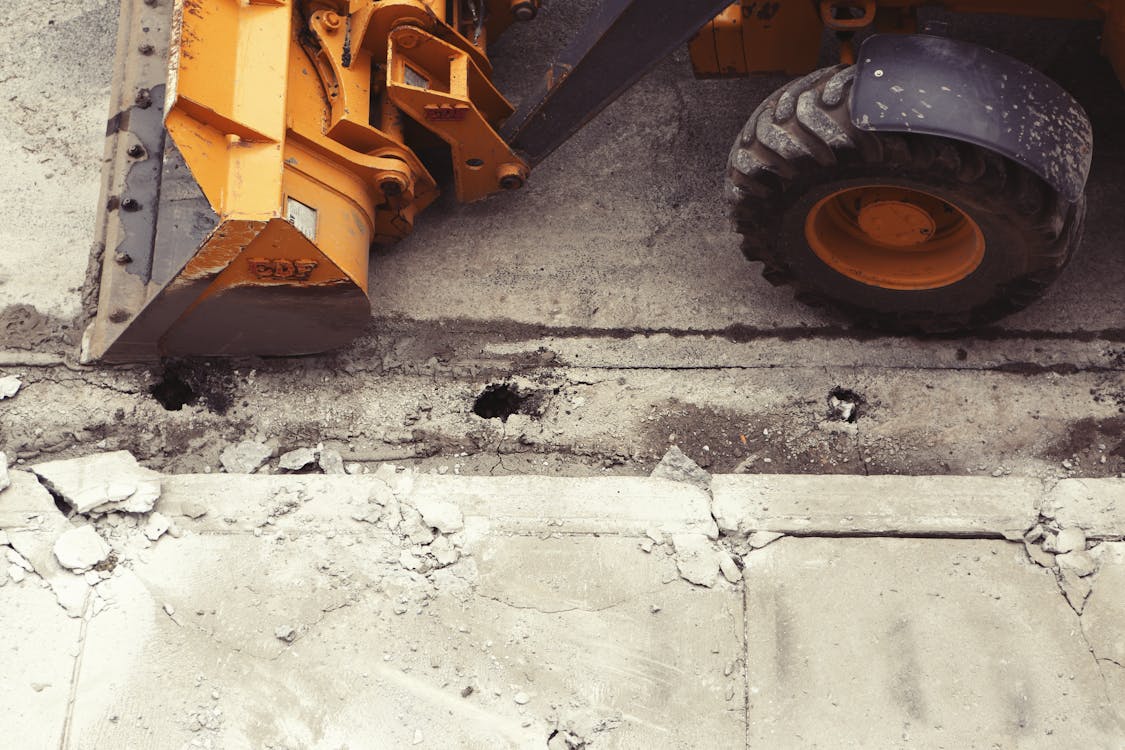 It can be a grave concern when it comes to construction and the state of the soil. Settling can occur over time and cause damage to structures if the underlayment for the foundation isn’t taken into account. Here are just a few of the ways that contractors work to stabilize the soil during the construction phase of the project.
Excavate Poor Soil
In many areas of the country, you have to determine the state of the soil prior to beginning a construction project. This will tell you the types of methods that you’ll need to employ in order to maintain the safety of your site. Removing the poor soil from the site can also help to alleviate some of the issues that you may experience. Examples of soils that may need to excavated include anything that won’t allow water to drain easily or if the soil can liquefy when it shakes.
Use Additive Stabilizers
Another common soil stabilization technique is to use additives to give the base layer extra reinforcement. This method is sometimes referred to as soil grouting and stabilization additions. A stabilizing agent is injected into the soil in order to a form a more solid mass in which to lay a better foundation for your construction project. The most common type of stabilizer is a slurry of cement and other types of resins that adhere the soil to itself.
Look to Compaction Standards
Compaction methods generally involve several steps in which heavy machinery is used to ensure a solid foundation. This method is more commonly used when you have to build up the starting point of your site. For example, fill is often obtained in order to level the surface or fill in voids that may exist. The equipment will ensure that each layer is adequately built upon itself to resist movement and settling. It is more commonly used when there is existing bedrock as an underlayment.
Reinforce as Needed
There are several different types of reinforcement methods that you can use to stabilize the soil. These include tensile reinforcement, confinement methods, and soil uniformity. The type of reinforcement that’s required will depend on the state of the soil and the weight of the finished product. Another factor that you’ll need to consider is environmental factors. This generally includes weather conditions, water concerns, and liquefaction tables.
It’s important that you take steps to ensure that your soil is stable during construction. You don’t want accidents to occur or for other conditions to develop that could cause a delay in your project.
It can be a grave concern when it comes to construction and the state of the soil. Settling can occur over time and cause damage to structures if the underlayment for the foundation isn’t taken into account. Here are just a few of the ways that contractors work to stabilize the soil during the construction phase of the project.
Excavate Poor Soil
In many areas of the country, you have to determine the state of the soil prior to beginning a construction project. This will tell you the types of methods that you’ll need to employ in order to maintain the safety of your site. Removing the poor soil from the site can also help to alleviate some of the issues that you may experience. Examples of soils that may need to excavated include anything that won’t allow water to drain easily or if the soil can liquefy when it shakes.
Use Additive Stabilizers
Another common soil stabilization technique is to use additives to give the base layer extra reinforcement. This method is sometimes referred to as soil grouting and stabilization additions. A stabilizing agent is injected into the soil in order to a form a more solid mass in which to lay a better foundation for your construction project. The most common type of stabilizer is a slurry of cement and other types of resins that adhere the soil to itself.
Look to Compaction Standards
Compaction methods generally involve several steps in which heavy machinery is used to ensure a solid foundation. This method is more commonly used when you have to build up the starting point of your site. For example, fill is often obtained in order to level the surface or fill in voids that may exist. The equipment will ensure that each layer is adequately built upon itself to resist movement and settling. It is more commonly used when there is existing bedrock as an underlayment.
Reinforce as Needed
There are several different types of reinforcement methods that you can use to stabilize the soil. These include tensile reinforcement, confinement methods, and soil uniformity. The type of reinforcement that’s required will depend on the state of the soil and the weight of the finished product. Another factor that you’ll need to consider is environmental factors. This generally includes weather conditions, water concerns, and liquefaction tables.
It’s important that you take steps to ensure that your soil is stable during construction. You don’t want accidents to occur or for other conditions to develop that could cause a delay in your project.Article author
About the Author
Rachelle Wilber is a freelance writer living in the San Diego, California area. She graduated from San Diego State University with her Bachelor's Degree in Journalism and Media Studies. She tries to find an interest in all topics and themes, which prompts her writing. When she isn't on her porch writing in the sun, you can find her shopping, at the beach, or at the gym. Follow her on Twitter and Facebook: @RachelleWilber; https://www.facebook.com/profile.php?id=100009221637700
Further reading
Further Reading
Article
How Lack of Appointment Strategy Is Holding Back Solar Company Growth
Introduction The solar industry is often described as a field full of opportunity. Demand grows as energy prices shift and environmental awareness increases. Many companies enter the market with strong technical knowledge and passionate teams. Yet growth does not always follow enthusiasm. A common and quiet challenge exists behind the scenes. Companies invest heavily in marketing, hire talented installers, and build impressive product lines, but still struggle to maintain con
February 9, 2026
Article
What types of cards can the card printer handle?
A reliable and versatile card printer is indispensable in today's fast-paced business environment. Card printers are integral for creating identification cards, payment cards, access passes, and membership cards. Thanks to their ability to customise and produce cards on demand, these devices have become increasingly popular across industries, including healthcare, retail, transportation, and education. This blog explores the types of cards a card printer can handle, emphasisi
December 8, 2024
Article
How do I calculate the cooling requirements for my mould temperature controller?
One of the most critical factors in ensuring stable and high-quality production for injection moulding is controlling mould temperature. This is where mould temperature controllers come into play. Specifically, the cooling process is just as necessary as the heating process in optimizing the efficiency and output of an injection moulding system. Calculating mould temperature controller cooling is critical to maximizing performance and preventing defects such as warping, uneve
December 8, 2024