How to Exercise for Brain Growth?
Written by Malik
 Type ‘bio-hacking’ into any search engine, and you’ll see how much content has been published on this concept in the last year alone. I’ll save you some time – it’s a lot!rnThe lengths that some people will go to enhance their abilities is pretty astounding.
You’ve probably heard that the Silicon Valley crowd are currently using various pharmaceuticals to supercharge everything from their creativity to their productivity. Up and coming software engineers are using powerful study drugs to keep working with a laser-like focus for 16 hours straight. Some tech entrepreneurs are micro-dosing psychedelics to nurture their creativity.
Others go further – some people at the very fringe of the bio-hacking community are making deep changes to their bodies: surgeries to improve their vision; hormone injections to boost athletic performance; electronic device implants to monitor health, and so on.
Of course, you also have less extreme bio-hackers. A large number of people are using natural nootropic supplements to improve their focus, memory, and energy levels. Others are doing things like brain training and mindfulness exercises to reduce stress, improve their recall, and enhance cognition generally.
But you don’t even have to go this far.
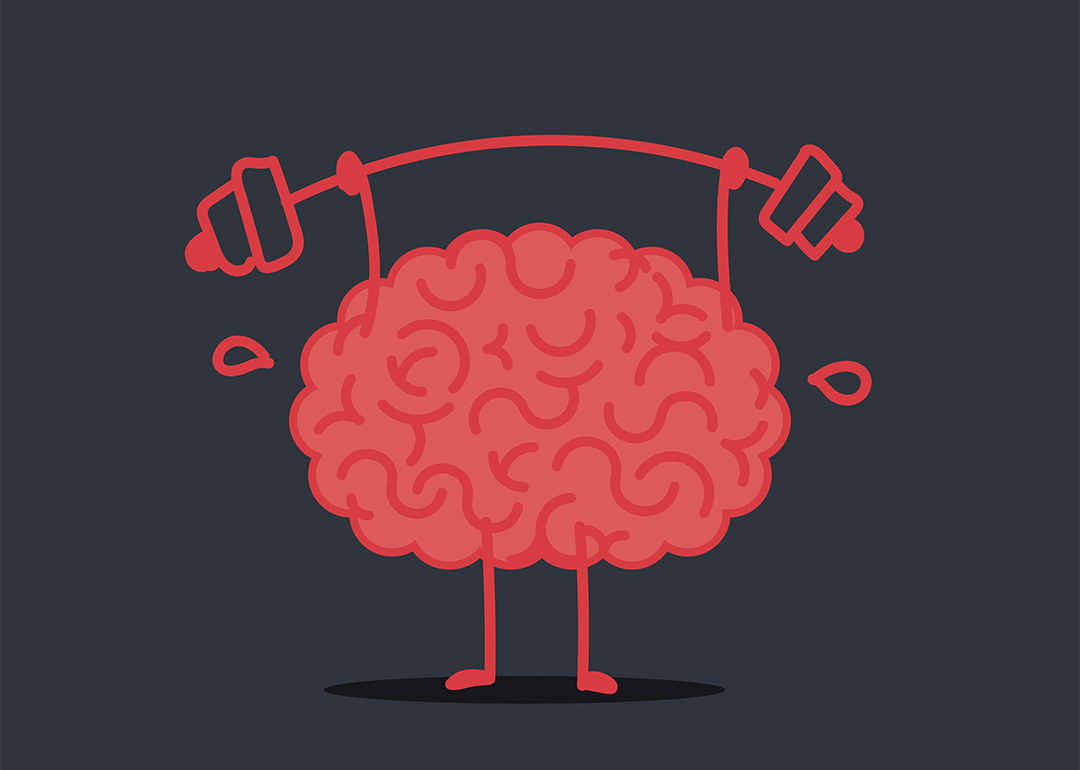
By exercising in the right way, you can significantly improve multiple different aspects of cognitive function. Different ways of exercising have their own specific benefits. However, exercising in any way has a generally beneficial effect on brain health and performance. rnI’ll now go through some specific exercise regimes and explain how they increase your brain power.
Long-distance running
If I had to choose just one type of exercise to do going forward, it would be distance running.
Nothing else has the same kind of effect on your overall health, and no other kind of exercise has as much of an effect on your brain development over time. I’ll ignore the health benefits here and focus on its impact on the brain.
First of all, running causes dilation of blood vessels throughout your entire body. This applies to the brain too. Dilated blood vessels mean a greater volume of blood can flow to your cells. This means more oxygen and nutrients can be delivered to these cells in less time. It’s obvious that this will lead to better brain function overall.
Secondly, running has been shown to actually change the physical wiring of the brain over time. In this study, researchers conducted brain scans on competitive long-distance runners. They were specifically looking at how three resting state networks were connected.
Their findings were very interesting: “Together these results suggest that differences in experience with endurance running are associated with differences in functional brain connectivity. High-intensity aerobic activity that requires sustained, repetitive locomotor and navigational skills may stress cognitive domains in ways that lead to altered brain connectivity, which in turn has implications for understanding the beneficial role of exercise for the brain and cognitive function over the lifespan.”
Lift weights like an Olympian
You might associate lifting weights with boring, basic, brutal workouts. Bodybuilders aren’t usually famed for their mental prowess, after all.
BBut that way of thinking is totally inaccurate, and ignorant.
lLifting weights are actually one of the best ways to prevent cognitive decline. More than that, it is held up as one of the best ways to promote cognitive function now.
rnAccording to Julien Vissers of Nootropic Zone, weight lifting is the ideal form of exercise for younger people looking to maximize their mental performance in the short-term: “We know that exercise in any form prevents cognitive decline as we age. It’s been called the ‘magic bullet’. But in my opinion, lifting weights is the best way to exercise if your priority is a better mental ability today. It teaches you discipline, consistency, mental fortitude, and it is extremely stressful on the body – extreme stress means extreme adaptation!”rnHe went on: “On top of that, weight lifting is very technique oriented. You need to develop a good mind-muscle connection. You need to learn hand-eye coordination. This isn’t true with jogging.”
Indeed, recent research has shown that lifting weights is perhaps more beneficial for preventing cognitive decline over the long-term than walking, swimming, or jogging! As Julien suggested, this might have something to do with the determination and discipline that weight lifting demands.rnBy swapping your usual bodybuilding routine for a more power and technique oriented weight lifting routine, you might be staving off cognitive decline for an extra couple of years.
Article author
About the Author
I am a professional writer and loves to write on different topics like SEO, Health, Money Making, Fashion, etc. It is my Hobby and passion.
Further reading
Further Reading
Article
Fear of Being Healthy?
Why do some people have trouble addressing health concerns?
October 8, 2026
Article
Why General Practice Accreditation Delivers Real Value Beyond Compliance
General practice accreditation is more than a compliance requirement. This article explains how accreditation supports patient safety, quality improvement, practice governance, funding eligibility, and ongoing trust in Australia’s healthcare system.
October 8, 2026
Website
HealthNexo
HealthNexo provides trustworthy, evidence-based health information and the latest health news. We cover disease prevention, diagnosis, nutrition, fitness, and wellness to help you make informed decisions for a healthier life.
October 2, 2026
Article
Dengue Diagnosis: Which Blood Tests Are Used and When?
Dengue diagnosis blood tests include RT-PCR/NAAT, NS1, IgM, IgG, and CBC. Early tests detect the virus, while IgM becomes more useful later. CBC helps monitor the patient but cannot confirm dengue alone.
October 2, 2026