The 4 Main Types of Coffee Beans: A Complete Guide
Written by habib ahmed mithu
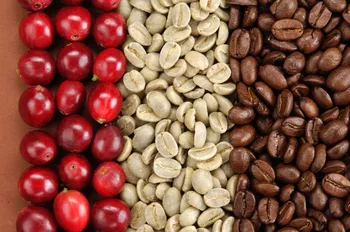 Arabica beans make up about 60% of the total world coffee consumption. Roasts made from Arabica beans are considered the higher quality and often pricier. Coffee shops typically serve Arabica bean blends. Overall, these beans have more acidity compared to Robusta beans. Arabica beans are grown throughout the Coffee Belt, but mostly in Latin America. Depending on where they grow in the three Coffee Belt regions they can have vastly different flavors. This will be explored later.
2. Robusta Beans
Arabica beans make up about 60% of the total world coffee consumption. Roasts made from Arabica beans are considered the higher quality and often pricier. Coffee shops typically serve Arabica bean blends. Overall, these beans have more acidity compared to Robusta beans. Arabica beans are grown throughout the Coffee Belt, but mostly in Latin America. Depending on where they grow in the three Coffee Belt regions they can have vastly different flavors. This will be explored later.
2. Robusta Beans
 rnRobusta coffee beans are the second most used coffee bean. These are what Americans are used to brewing at home and what we purchase in grocery stores. Supermarkets also sell blends with Robusta and Arabica beans too. Robusta beans contain twice as much caffeine as Arabica beans but look like little balls instead of the typical almond-shaped bean we visualize. These are mainly grown in Africa and Indonesia. They are easier to grow than Arabica beans because they can thrive in low or high altitude. The product tends to be harsher and more bitter due to the effects that roasting has on Robusta beans. However, they’re great for making espresso shots because of their deep flavor. This type of bean holds up better when you add cream and sugar, unlike Arabica beans whose flavor tends to change. Robusta beans are grown only on the Eastern Hemisphere and therefore appear only in two of the three regions in the Coffee Belt, which is explained later.
3. Liberica Beans
rnRobusta coffee beans are the second most used coffee bean. These are what Americans are used to brewing at home and what we purchase in grocery stores. Supermarkets also sell blends with Robusta and Arabica beans too. Robusta beans contain twice as much caffeine as Arabica beans but look like little balls instead of the typical almond-shaped bean we visualize. These are mainly grown in Africa and Indonesia. They are easier to grow than Arabica beans because they can thrive in low or high altitude. The product tends to be harsher and more bitter due to the effects that roasting has on Robusta beans. However, they’re great for making espresso shots because of their deep flavor. This type of bean holds up better when you add cream and sugar, unlike Arabica beans whose flavor tends to change. Robusta beans are grown only on the Eastern Hemisphere and therefore appear only in two of the three regions in the Coffee Belt, which is explained later.
3. Liberica Beans
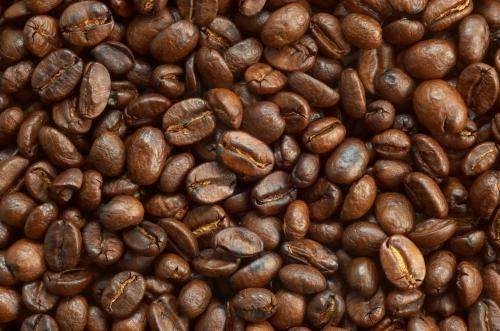 Liberica beans grow only in the Philippines. These beans have a floral, fruity aroma, but produce coffee that has a full body and woody, smoky flavor. A shortage of Arabica beans in 1890 resulted in the U.S importing Liberica beans from the Philippines. This continued until they claimed independence and the U.S stopped the trade.
4. Excelsa
Liberica beans grow only in the Philippines. These beans have a floral, fruity aroma, but produce coffee that has a full body and woody, smoky flavor. A shortage of Arabica beans in 1890 resulted in the U.S importing Liberica beans from the Philippines. This continued until they claimed independence and the U.S stopped the trade.
4. Excelsa
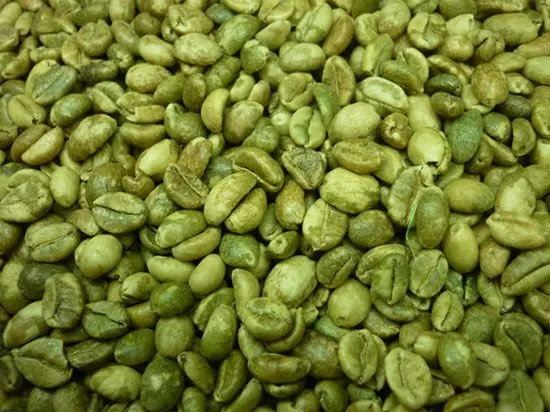 Excelsa coffee beans aren’t used very widely; they represent only 7% of the world’s coffee consumption. They grow in Southeast Asia and are considered a genus of Liberica beans. However, the flavor is more tart and fruity.
What about the Roasting Spectrum?
Most retail coffee sellers provide a multitude of coffee blends. These variations are often divided between light roasts, medium roasts, and dark roasts. The length of time a bean is roasted determines the slight difference in caffeine level, how acidic your coffee is, how much body it has, and sometimes the intensity of the flavor.
Which Bag to Buy
Now you know where coffee beans come from and the differences between the roasts. Now, how do you select the right blend for you? Where your coffee comes from determines the base flavors of the coffee. The Coffee Belt helps determine the three main coffee-growing regions. The Latin American region produces coffee that has chocolate and nutty tones. These tend to be Arabica beans. Fruity and floral coffees are attributed to the Africa/Arabia region. Herbal, spiced, or earthy coffees are grown in the Asia/Pacific region. These last two regions are where Robusta beans are grown, but Arabica beans are also grown here.
What is a Blend?
A blend is a bag of coffee that has beans from two or more countries and sometimes more than one region. It can be as complex as a blend from 8 countries, but the average roaster uses about 4. The percentage of each type changes the flavor of the blend as well. For example, you could have a coffee blend made with beans from Mexico and Brazil. The coffee would taste different if it were an 80%-20% blend or a 60%-40% blend. If you want a more specific cultural coffee experience, try getting a single-origin coffee.
Conclusion
Discover your personal preferences for what kinds of flavors you want to taste in your cup of coffee and what roast you prefer. Most coffee companies outline the origins of their coffee beans either on the bag or on their website. Now that you know more about coffee beans, you can choose the right blend to make your morning!
Excelsa coffee beans aren’t used very widely; they represent only 7% of the world’s coffee consumption. They grow in Southeast Asia and are considered a genus of Liberica beans. However, the flavor is more tart and fruity.
What about the Roasting Spectrum?
Most retail coffee sellers provide a multitude of coffee blends. These variations are often divided between light roasts, medium roasts, and dark roasts. The length of time a bean is roasted determines the slight difference in caffeine level, how acidic your coffee is, how much body it has, and sometimes the intensity of the flavor.
Which Bag to Buy
Now you know where coffee beans come from and the differences between the roasts. Now, how do you select the right blend for you? Where your coffee comes from determines the base flavors of the coffee. The Coffee Belt helps determine the three main coffee-growing regions. The Latin American region produces coffee that has chocolate and nutty tones. These tend to be Arabica beans. Fruity and floral coffees are attributed to the Africa/Arabia region. Herbal, spiced, or earthy coffees are grown in the Asia/Pacific region. These last two regions are where Robusta beans are grown, but Arabica beans are also grown here.
What is a Blend?
A blend is a bag of coffee that has beans from two or more countries and sometimes more than one region. It can be as complex as a blend from 8 countries, but the average roaster uses about 4. The percentage of each type changes the flavor of the blend as well. For example, you could have a coffee blend made with beans from Mexico and Brazil. The coffee would taste different if it were an 80%-20% blend or a 60%-40% blend. If you want a more specific cultural coffee experience, try getting a single-origin coffee.
Conclusion
Discover your personal preferences for what kinds of flavors you want to taste in your cup of coffee and what roast you prefer. Most coffee companies outline the origins of their coffee beans either on the bag or on their website. Now that you know more about coffee beans, you can choose the right blend to make your morning!Article author
About the Author
I'm Professional Digital Marketer
Further reading
Further Reading
Article
Combating Winter Blues with Calisthenics: Maxim Gorin Talks About The Mental and Physical Benefits
Winter is here, and with it comes the dreaded winter blues. Fitness enthusiast Maxim Gorin points out that shorter days, colder temperatures, and often overcast skies can leave even the most cheerful among us feeling a little down. But what if there's a secret weapon to combat the season's gloom? Enter calisthenics—a form of exercise that requires nothing more than your body weight and a willingness to move. Let's dive into how calisthenics can help you shake off the winter b
February 5, 2025
Article
Effective Strategies for Boosting Health and Vitality
Achieving optimal health and vitality is a goal that many aspire to but often find challenging to maintain amidst the demands of modern life. The path to wellness isn't about drastic overhauls but rather consistent, small changes that create lasting effects. Here’s an exploration of proven strategies that can enhance health and vitality over time. Prioritising Balanced Nutrition Balanced nutrition is the cornerstone of health and vitality. It’s not just about what
September 25, 2024
Article
Cleaning out your house - Planning and dumping
Here is a look at the first step to cleaning out a house, the planning and dumping stage, with the help of garbage removal Lakewood services. Planning the cleanout Planning is key to getting everything done and having the time to do it in a way where you do not feel wiped out and stressed. Here are some tips for the planning stage. Define your goals - Before you start making a mess and throwing things out it makes sense to know what your goals are with this clean out. Are you
November 17, 2023
Article
How to Prepare for Couple Counseling Sessions
Before we delve into preparation, let’s take a look at what exactly couple counselling or therapy is. Couple Counselling is a type of psychotherapy that uses well-researched methods and techniques to help couples identify and resolve conflicts in their relationships. It may begin with joint and individual sessions with a trained couple counsellor focused on gauging the intensity, duration, frequency, and major source of conflict between the couple, and go on to focus on
July 12, 2023