Understanding to Augmented Reality and Its Types
Written by Hazel Sansbury
AR or Augmented reality may not be as excited as VR for many peoples. However, this technology is getting worth and is very useful in our daily life. From social media use to surgical procedures, augmented reality is getting famous day by day. This creates a virtual world in the real world. This may sound unbelievable, but that’s the truth. We can feel and hear this virtualization of objects in our real world.
What is Augmented Reality?
This is the interactive experience of a real-world environment with computer-generated objects. Sometimes, these virtual objects are touchable.
Furthermore, you can also say that indirect or direct view of real-world physical environments with augmented and superimposed computer-generated images.
In detail, the word augmented is derived from augment, which means to add or enhance. In the case of augmented reality (AR), in the natural world, sounds, graphics, and touch feedback are added or enhanced for better user experience.
Types of Augmented Reality
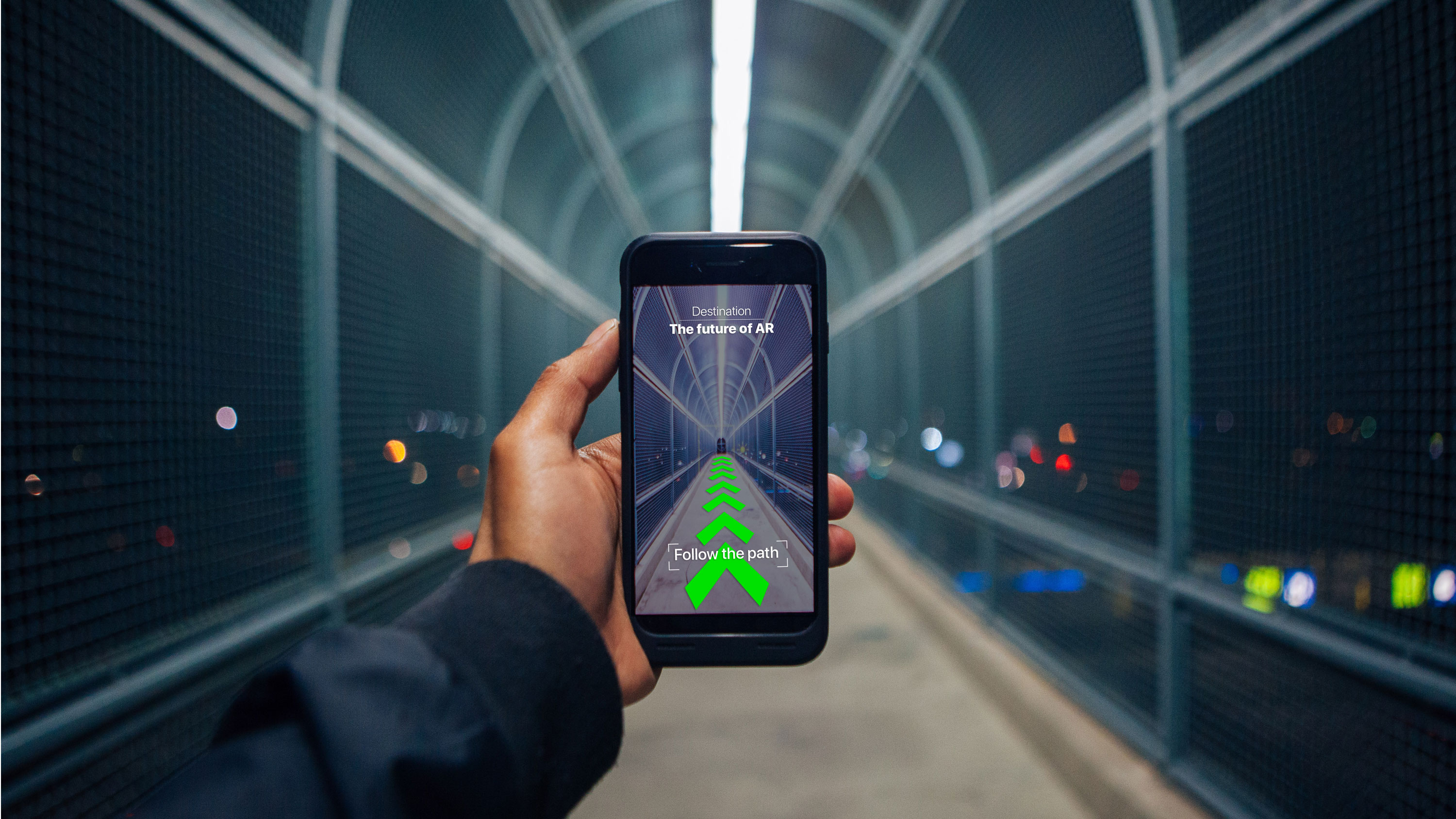
According to nature, feature, and availability, the AR is further divided into four classes. These types of augmented reality is different from one another due to their work type, use in industries, and other features. For example, Images created in some type of augmented reality are touch while in others they aren’t.
These types of augmented reality are:
- Projection-based augmented reality
- Marker-Based Augmented Reality
- Marker-less Augmented reality
- Superimposition-based Augmented reality
The evolution of this technology can lead the globalization and businesses to a new world.
Projection-based Augmented reality
This is the simplest type of Augmented reality. This type is all about the projection of objects on a surface. Projection-based augmented imaginary objects are interactive. These images can be touch by hands to convey a message or to input commands. AR keyboards are the perfect example of projection-based augmented reality.
In some cases, the image produced with the projection is not interactive. It depends on apps and how you use technology. These non-interactive objects are created to see or briefly know the complex objects. In daily life, people usually use this type of technology to rearrange their home or living rooms. This technology also helps people in buying new products, appliances, or furniture according to space.
Markerless augmented reality
Markerless augmented reality is also known as location-based augmented reality. This type of AR is useful for industries and other public places.
According to its name, location-based means with the location of the user. The most commonly available app in the Smartphone that provides location detection service is used. This location-based application gets GPS help to get the location of the user. Furthermore, theses augmented location-based apps give information about the user’s nearby location on a Smartphone screen.
Marker-based Augmented Reality
Marker-based Augmented Reality is also known as recognition based AR. As shown by name, this type of AR helps us to get more detail and brief information about the item or objects with the help of QR recognition.
This technology is widely used in departmental stores, expo, and industries. When you scan the object of QR code, the object comes to life in our real world with the help of computer-generated images. These objects aren’t interactive. Another common use of this recognition augmented reality is the translation of language through scanning. These words seen through a smartphone camera are translated with the help of AR.
Superimposition based augmented realty
This is a type of AR that is commonly used in high FPS games and other scenarios. Superimposition based AR provides a replacement view of the object in focus. This is done by replacing the partial or entire look of an object. Night vision, infrared, and thermal view in games is the example of this type of augmented reality.
Article author
About the Author
Hazel Sansbury is a professional SEO expert and Content Writer. She loves to write on science & tech.
Further reading
Further Reading
Article
Building Secure & Scalable Applications with AI Development Services in USA
AI development services in USA help companies create such applications. These solutions can handle growing users and changing business needs. They can also improve security through smart monitoring and automation. AI can support stronger digital products when planned well.
September 8, 2026
Article
How AI Development Services in USA Are Reshaping Business in 2026
AI development services in USA help businesses use AI to automate operations, build smarter products, improve customer experiences, and drive measurable growth through practical, scalable solutions.
September 5, 2026
Website
DataOnMatrix Solutions | AI Development Company in USA
DataOnMatrix is an AI Development Company in USA offering Custom AI Software Development Services in USA to build intelligent, scalable, and business-focused AI solutions.
September 3, 2026
Article
How to Create an Effective Data Migration Strategy?
The article will talk about the steps to realize a data migration strategy, including planning, preparing data, pipeline design, process setup and testing, execution and validation, and post-migration maintenance.
September 3, 2026